
Final Stitch, Early Departure: Off to Three Art Fairs
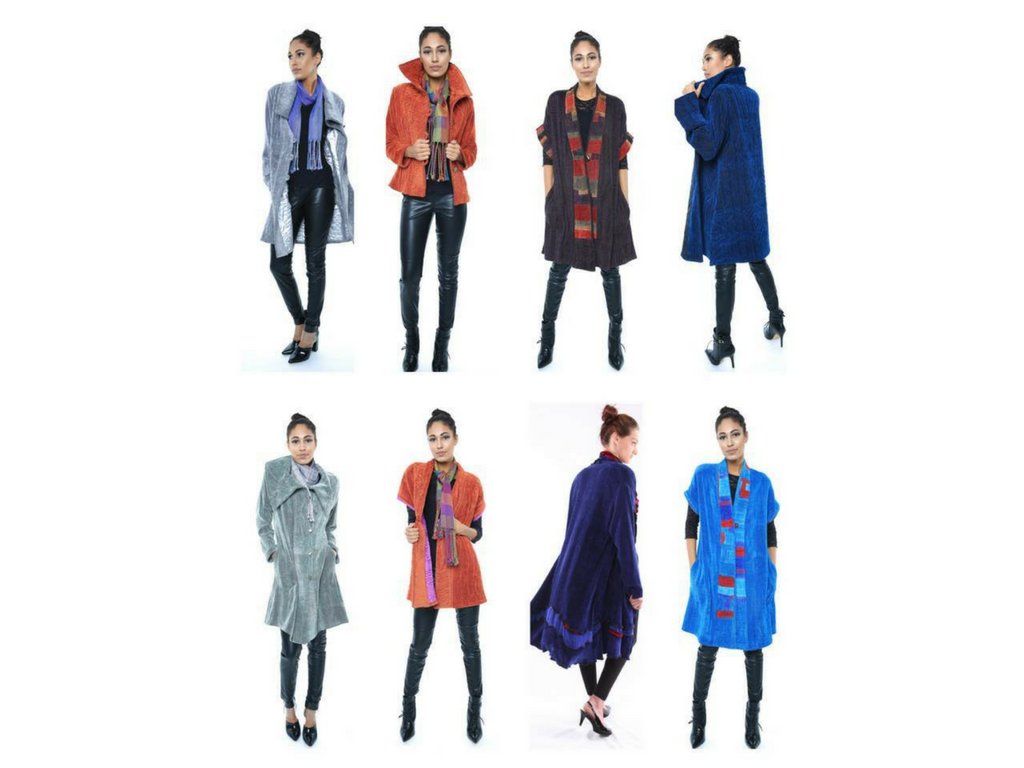
The last jacket came off the table with the quiet relief that only makers know. I smiled, knowing that this was a special piece. One final stitch, one last check of the seams, one more look under good light. Then the studio shifted from making to packing.
The van waits at first light. Boxes are stacked by the door. Garment bags are ready. Tools, lights, tags, racks, repair kit, booth weights, receipt books, and the odd thing nobody remembers until the last minute are all being counted twice.
Hector, the Owl, flies off with this blog post, while the work heads toward the road. Three shows are ahead: Art in the High Desert, Art in the Pearl, and the St. Louis Art Fair. The rhythm changes now. The loom is quiet. The diesel engine is started. The miles begin.
The last piece carries the whole season
There is always one piece that seems to hold the line until the end. This time, it was a jacket.
A final pass of the hand along the edge. A check for loose threads. The familiar question arrives again: is it ready to stand in a booth, meet strangers, be tried on, and maybe become part of someone’s life?
That question matters. A handwoven jacket is not only a garment. It carries hours of planning before the first thread ever crosses the loom. It holds choices about color, weight, drape, proportion, and use. It needs to feel good in motion, not just look good on a hanger.
By the time a piece is finished, the maker has already lived with it for a long while. The public sees the completed work. The maker remembers the corrections, the pauses, the small decisions that changed everything.
That is part of the strange beauty of taking handmade work to art fairs. The private labor becomes public. The studio conversation becomes a real one.
Packing turns the studio into a map
The journey begins with packing the van, and that job has its own kind of choreography.
Nothing goes in by accident. The booth parts get unloaded first. The weight must be balanced and secured in the van. Garment bags need room so the pieces arrive without being crushed. Small tools go where they can be found fast, because a misplaced clamp or missing light cord can turn setup into a long morning.
A good packing list sounds plain, but it saves the day:
Booth panels and hardware
Racks, hangers, and display pieces
Lights, cords, and power strips
Garment bags and labeled inventory
Tags, sales supplies, and wrapping materials
Needle, thread, lint roller, scissors, and other rescue tools
Water, snacks, work gloves, and a change of shoes
The van becomes a moving studio, storeroom, repair bench, and shelter from the weather. It carries the finished work, but it also carries every practical decision that lets the work be seen well.
Three fairs means three different conversations
The first stop is Art in the High Desert, a show known for drawing people who care about craft, process, and strong original work. For textiles, that kind of audience matters. Cloth asks to be seen closely. It asks for time. Bend, Oregon is high desert country and the quality of light is clear and bright.
Then comes Art in the Pearl, where the big city park setting gives the work another kind of energy. Outdoor shows always change with the light. A jacket that looks quiet in the morning may glow in late afternoon. Colors move. Textures come forward. People notice different things depending on the hour.
The third stop is the St. Louis Art Fair, a major gathering of artists and collectors. By then, the van will have its own road dust. The booth will have gone up and down more than once. The body will know the pattern: unload, build, hang, straighten, greet, wrap, pack, repeat.
Each fair has its own pace. Some visitors step in with a clear eye and say almost nothing at first. Some want the whole story, from fiber to finishing. Some try on a piece and stand differently the moment it settles on their shoulders.
Those moments are why the trip is worth the effort. A maker can guess what a piece might become, but the answer often arrives only when someone else wears it.
The road makes room for trust
Leaving the studio is always a small act of trust. The work is finished, but the outcome is open.
Will the weather hold? Will the booth go up smoothly? Will the right people find the right pieces? Will that last jacket, finished just before departure, find someone who understands it?
There is no way to know from the driveway.
That uncertainty is part of the life of handwoven work and art fairs. The maker controls the cloth, the finish, the packing, and the care. After that, the work has to meet the world on its own terms.
Some pieces come home. Some leave quickly. Some are tried on by many people before one person sees it clearly. Some begin conversations that return months later. A fair may last only a few days, but the relationships around the work can stretch much farther.
The road also brings a shift in attention. In the studio, the focus narrows to inches: a hem, a sleeve, a line of stitching. At a fair, the view widens. You see how people respond from across the booth. You hear which colors call them in. You watch hands move toward texture before words arrive.
That feedback cannot be woven in advance. It has to be gathered in person.
Ready or not, the van leaves at first light
There is a point when preparation has to end. The last jacket is finished. The lists have been checked. The van is packed. The studio floor shows signs of the push: thread ends, an empty coffee cup, dust bunnies on the floor, and the clean space where the final piece used to be.
Now the work moves out into the season.
First, Art in the High Desert. Then Art in the Pearl. Then the St. Louis Art Fair. Three chances to set up, open the booth, welcome people in, and let the cloth speak for itself.
The final stitch is no longer the ending. It is the handoff. Here I come!

Comments